
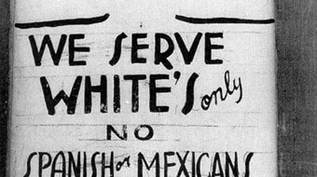
 Photo: 12news Photo: 12news I’ve taught freshman composition courses for almost two years now, expecting my diverse body of students from multicultural backgrounds to all coalesce and perform to one standard above all others: White Vernacular English (WVE) or White American Vernacular English (WAVE). As writers, we pride ourselves on being open-minded yet authentic, and we hope our students do the same—as long as they adhere to what we consider valid style of writing. Why have the rigid, outdated principles the foundation of college composition was built on not shifted to accept other vernaculars?
1 Comment
 by Rachel Saltzman
It begins in middle school; writing skills are in a crucial stage of development, and so teachers are more focused on systematic writing such as essays, grammatical structures, and proper spelling. At this age, kids are taught what effective, tasteful writing incorporates, and which elementary techniques can be rushed to the curb for good. This is when ‘it’s raining cats and dogs,’ and other cute phrases that are found in children’s books, are banished from any and all forms of writing. We all know (supposedly) what a cliché is, what it looks and sounds like. But why are clichés considered bad for writing? The common argument is that clichés and common tropes are overused, to the point where most casual readers cringe at the sight of one. If the goal of any writer is to craft a story, essay, or narrative using a unique and well-developed voice, then of course clichés can only impede the process. If these banal phrases, expressions, and ideas have long been exhausted, then where and when were they first used?
by Sarah Knapp
The above videos contain clips from two very different, but two very popular TV shows: RuPaul’s Drag Race and Steven Universe. What do all of these seemingly unrelated scenarios have in common? In each clip, there are quite a few different uses of pronouns, some of which seem confusing or don’t exactly fit our expectations. There is a powerful force at work here: gender is being redefined. Subtly, and sometimes very overtly, the language used to talk about gender is being changed and shaped by the media that surrounds us.
by Myriah Stubee  Annotating, marking up, commenting, writing in the margins...whatever you call it, marginalia has been around for as long as there has been writing. Students don't often like it, professors don't often give them a choice, and many avid readers don't even think about it anymore. Whatever your opinion about writing in your books, there is no doubt that it adds layer and nuance to the reading experience.
by G. Mitchell Layton
The porn aspect of these pages is obviously exaggerated, because no one has the same reaction to a key lime pie as they would to hardcore pornography (at least I would hope not). However, the concept remains the same, and some of these pages on Facebook and Twitter have millions of followers.
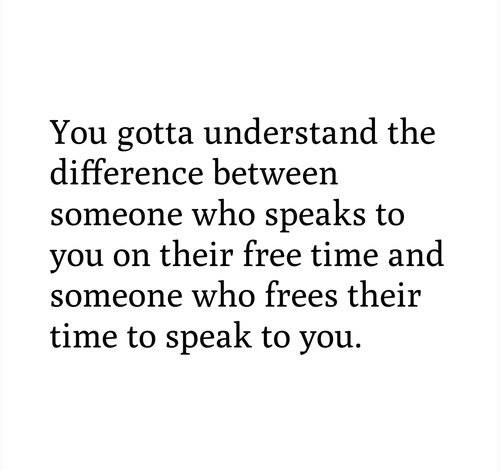
This brings me to my personal favorite of the “porn” pages: “Poems Porn.” It’s a bit misleading as, in my opinion, the page has nothing to do with poetry despite the description on their Facebook page that states, “Beautiful poems found online. We Claim no rights to the pics that are posted here.” Beauty is relative and up for interpretation, and apparently so is the concept of poetry. Where the “food porn” page at least posts pictures of tasty treats, the poems porn page has not posted one poem, or rather, none that seem like actual poems to me. They seem more like quotes or inspiring phrases. So if they’re not poems, and they’re definitely not porn, what are they? |
Archives
April 2024
Categories
All
|
 RSS Feed

|
Glassworks is a publication of Rowan University's Master of Arts in Writing 260 Victoria Street • Glassboro, New Jersey 08028 glassworksmagazine@rowan.edu |
All Content on this Site (c) 2024 Glassworks
|