
Temptation, angst, and lunacy all rear their heads as Sheena Patel explores the obsession that comes with unrequited love in her debut novel I’m a Fan. The fan in question is an unnamed narrator who has wrapped herself up in an affair with an aloof, womanizing older man. Patel, an established poet, chronicles the bad decisions of the unnamed narrator through blunt but enticing prose. Patel puts stock into the power of fan presence, linking political influence to the number of devoted followers one has. The narrator, a woman of color with little recognition, pales in comparison to the white female influencers with whom she must compete. She speaks to privilege packaged as #goals, to algorithms and whiteness discounting indigenous and black and brown creators, and to the universal immature desire to be liked.
0 Comments
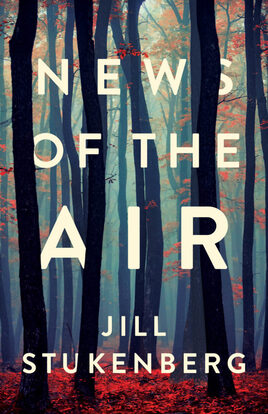
It’s not every day that people run to the Northwoods, particularly in the Wisconsin region, for safety and stability. Yet it proves itself to be the perfect backdrop for Jill Stukenberg’s News of the Air. In this novel, Stukenberg paints the picture of a near future with repeated violent protests flooding the cities and wildfires rampaging the rest. In what starts off with a similar feel to The Handmaid’s Tale, Stukenberg details the journey of a young family, especially the mother, sacrificing the pleasures of city life for a new, safer life in the woods where her daughter can stretch her legs and peace can envelop them all. However, as life goes on, the daunting realization creeps up that trouble is everywhere and that running away from your problems often creates new ones, maybe even ones that you can’t run from anymore.
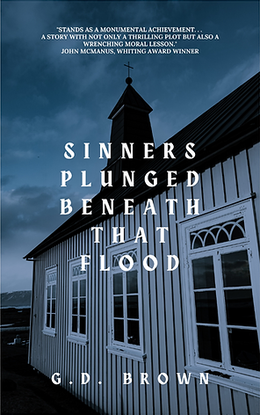
G.D. Brown’s Sinners Plunged Beneath that Flood is set in the dreary backdrop of a small Oklahoma town of Mayes County in the autumn of 1998—given life by the tantalizing group of characters who are thrust into solving this small town’s disappearances and other strange happenings.
In the opening lines of Sinners Plunged Beneath that Flood, Brown plants seeds into the reader’s mind by placing them in media res, teasing them with a glimpse into the characters, setting, and plot: “The fall of Jenn's senior year of high school, she learned that a person could be missing without having been gone for 48 hours, among other things. The leaves were brown and crunchy then, shriveled letters from the summer sun to warn of the coming cold” (1). In just the first few opening lines, Brown has the reader asking innumerable questions - those that can only be answered by delving deeper into the wayward world he builds throughout the novel.
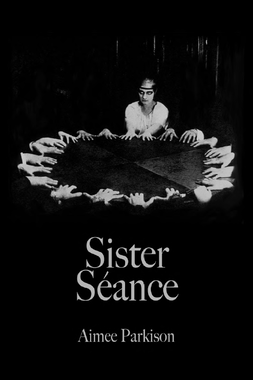
A broken family of former slave owners. A pregnant woman awaiting her lover's arrival. A veteran that lost a hand in the civil war. A gathering with unexpected guests. In Sister Séance, a historical feminist horror novel by Aimee Parkison, a Halloween celebration brings together a range of characters in Concord, Massachusetts, and brings them face to face with their pasts.
Sister Séance is set shortly after the Civil War and centers around the history of two families: the Turners and the Haydens. A Dumb Supper, a meal where guests communicate without speaking, serves as the catalyst that gathers both families and most of the town along with two unplanned guests, the Usherwood Twins, a pair of mediums.
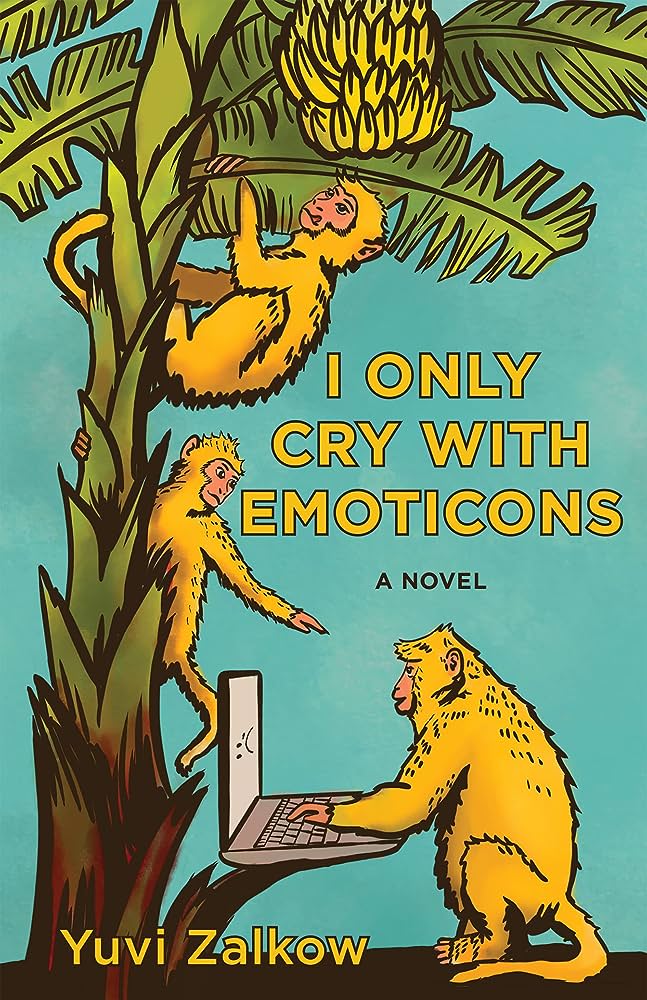
Yuvi Zalkow’s second and newest novel, I Only Cry With Emoticons, is a hilarious ride through dealing with human connection in a modern age littered with smartphones, tablets, dating apps, and hashtags. At its core, it’s a story about responsibility. It begs the question, how do we take responsibility for our irresponsible reliance on technology? How do we take responsibility for allowing ourselves to become so disconnected not just with one another, but our own lives?
|
Archives
July 2024
Categories
All
|

 RSS Feed

|
Glassworks is a publication of Rowan University's Master of Arts in Writing 260 Victoria Street • Glassboro, New Jersey 08028 [email protected] |
All Content on this Site (c) 2024 Glassworks
|