
“We may know the sacred; we may not impart it.”
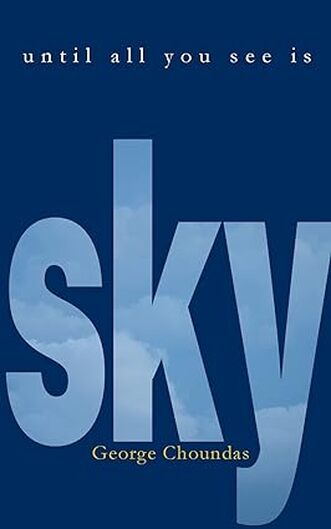
George Choundas tosses this penetrating sentence seventy-five pages into his collection of essays, Until All You See is Sky. It’s one of the many turns of phrase that will make the reader pause and reflect. This in itself is not so shocking—good writing should, at the bare minimum, have an impact on the reader. What sets Choundas apart from the others, in my opinion, is context. Where this shrewd pronouncement is more befitting a spiritual revelation or a hard-learned life lesson, Choundas has gifted this deep and affecting statement to… baked goods.
2 Comments
Dale Cottingham’s collection, Midwest Hymns, reads as a meditation on a man’s journey through life’s myriad challenges, and healing through becoming one with nature and its cycles. Cottingham’s muse is the family and land that raised him, and each of these poems act as a patchwork in making an overall warm and nostalgic reading experience.
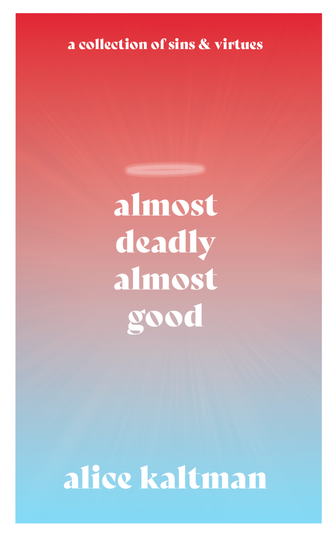
Most of us are familiar with the concept of the seven deadly sins: gluttony, envy, wrath, lust, sloth, to name a few. Alice Kaltman embraces these sins—along with their virtuous counterparts—in her short story collection, Almost Deadly, Almost Good. She personifies the sins in her complex characters while exploring an equal number of virtues. Her stories depict the tragedies and triumphs of human nature. Characters embodying gluttony, envy, and wrath seem to be in a constant state of inner conflict and turmoil while those who practice kindness, humility, and patience have better outcomes.
“For all the mutts.”
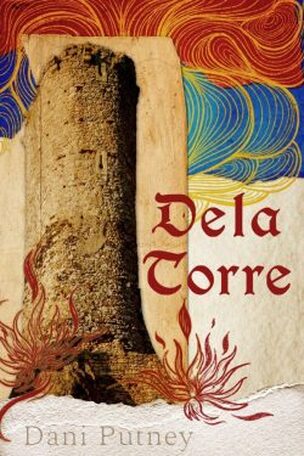
Dela Torre, the most recent chapbook from poet and essayist Dani Putney, opens with this dedication. Simple and effective, they give no other preface before diving into 20-some pages of raw, emotional poetry where they break down their own mixed-race heritage, the history of their parents, and tear into colonialism with sharpened teeth. While Dela Torre runs rife with various themes about identity and family, there is one through-line that can be felt in each and every one of these poems— anger.
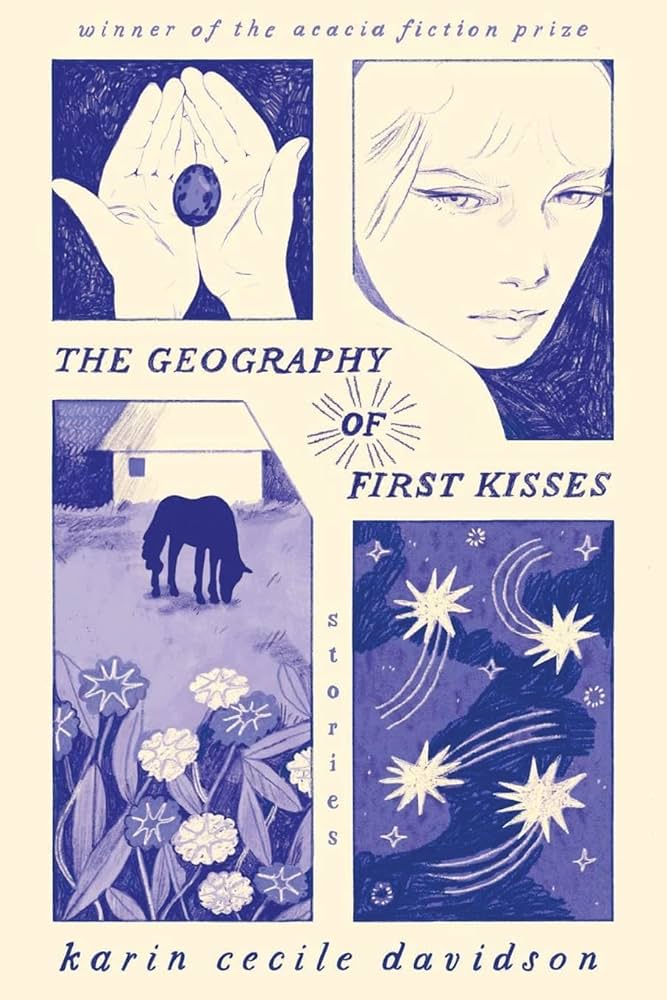
While it’s typical for media to display love under rose-colored lenses, The Geography of First Kisses by Karin Cecile Davidson shows the in-betweens of romance. Davidson reveals the love, loss, and nostalgia of relationships through the use of fully realized characters and descriptive language. With each short story, the characters feel close enough to the reader’s heart that it’s easy to trick the brain into thinking the whole book was about them from cover to cover.
|
Archives
July 2024
Categories
All
|

 RSS Feed

|
Glassworks is a publication of Rowan University's Master of Arts in Writing 260 Victoria Street • Glassboro, New Jersey 08028 [email protected] |
All Content on this Site (c) 2024 Glassworks
|