
|
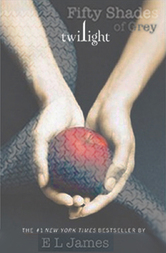
by Elizabeth DiPietro Young Adult (YA) books often get a bad rap for being shallow, underdeveloped, and cliché. There are huge bestselling series that have transcended to films and television shows that fit that description to a T, which only adds to the idea that YA best sellers are cliché money grabs that uneducated teens are desperate to consume. On August 24, 2017, one author decided to test this limit by attempting to steal the #1 spot on The New York Times Best Seller list.
0 Comments
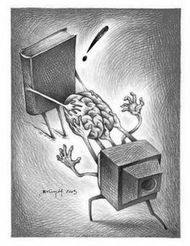 image credit: Pinterest image credit: Pinterest by Nicolina Givin
I sat on my couch on the fourth of October and flipped through the channels on my television. I caught a glimpse of Emily Blunt grabbing a blonde by the back of her head and dragging her onto the floor. The title, The Girl on the Train, flashed at the end and I was in bewilderment. “That’s a movie now?” I thought to myself. The movie was released to theaters on the eighth. I picked up the novel, which had been sitting on my bookshelf for some time, and opened the cover, ready to finally read what everyone was about to see on the big screen. I could not have the world tell me the plot and ending before I could figure it out myself; I had to finish it before the movie release. Why was I motivated soon after that preview to read the book rather than when I first purchased that book eight months prior? The answer was always sitting there on my bookshelf, but the media pushed me towards it and spoke clearer to me in that thirty-second preview. 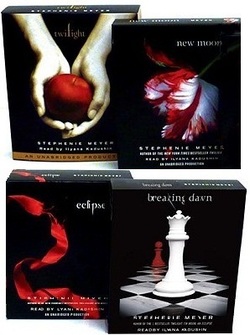 photo: Goodreads photo: Goodreads by Gabrielle Lund
Argue that the love triangle in The Hunger Games was unnecessary (and I’ll most likely agree with you.) Guffaw at the tension, both “sexual” and aggravating, of Edward and Bella as he refuses to turn the one girl he loves into a vampire (and I’ll probably wince at the memory of the writing in these scenes.) But do not disclaim their success. These books are all members of The New York Times Bestsellers’ List for a reason and it has little to do with their contrived plots. Stephanie Meyers and other YA authors have continuously proven that an idea which involves one girl, in a vulnerable, desperate situation (where she happens to look like the pretty girl next door, but not a model), and two guys (bloodsuckers or tributes fighting for their lives) who love her, will, nine times out of ten, fly off the shelves. by Kevin Coopersmith
It’s a hard truth to realize, but that doesn’t make it any less real – America is reading, they’re just not reading anything of substance. As a matter of fact, the average American spends most of their day reading – 11 hours a day on average with digital media alone, according to a Nielsen study conducted last year. That’s 11 hours of channel surfing, Facebook walls, Twitter feeds, refreshed Reddit pages, and underwhelming Buzzfeed articles.
|
Archives
July 2024
Categories
All
|
 RSS Feed

|
Glassworks is a publication of Rowan University's Master of Arts in Writing 260 Victoria Street • Glassboro, New Jersey 08028 [email protected] |
All Content on this Site (c) 2024 Glassworks
|