
|
by Emily Langford  Photo by Sincerely Media on Unsplash Photo by Sincerely Media on Unsplash As a queer, “elder millennial” who watched as personal computers suddenly took root in our homes, I experienced the rise of online fandom firsthand. Prior to the internet, my experience with fandom was a solo one, I didn’t know anyone who had the same obsessive passion for stories and characters like I had. I was the annoying kid who would, unprompted, spew out tidbits and theories about books and movies, the weirdo who was off in her own little world where all her characters existed at my day-dreamy little whims. I was tolerated at best and I eventually learned to keep my fervor to myself. I remember the first time I entered the titles of my favorite obsessions into the search bar. Suddenly, I was very much not alone. Each of my hyperfixations had a dedicated chat room or message board with other people who understood, who shared my passions. I finally found a place of acceptance.
1 Comment
Amanda Smera Welsh
If you are a writer, especially a writer in the middle of a graduate program, you will undoubtedly encounter many craft materials through the course reinforcing the need to establish a discipline to your own writing. Sometimes, they can sound a little delusional, which was precisely my reaction when I read Robert Olen Butler’s “From Where You Dream.” It truly is the most overtold advice any writer has heard before: “You may not be ready to write yet, but when you’re in a project you must write every day. You cannot write just on weekends. You cannot write this week and not next week; you can’t wait for the summer to write. You can’t skip the summer and wait till the fall. You have to write every day. You cannot do it any other way. Have I said this strongly enough?” Yes you have, dude, now please shut up! by Ellie Cameron People like to laugh. We laugh at jokes on our phones, we laugh at characters in sitcoms, and we laugh with our friends telling stories to embarrass each other. I think it’s safe to say that the average person picks up some sense of comedic timing simply by consuming comedy.
So why do we feel that we can be funny, just not in writing? Is it lack of confidence? Is it lack of skill? Is it the lasting trauma of high school writing classes? Or is it a matter of context?
by Rebecca Green
I was hesitant, but I knew my students deserved the opportunity to write about themselves, to be creative, to take risks and not feel restricted by strict project expectations. I prepared them as best as I could: we spent weeks close reading, responding to sources, discussing our topics, and partaking in creative free-write exercises as a class. We talked about writing as a process, instead of a five paragraph formula. When that fateful Friday night arrived in which students were expected to hand in their essays, I sat by the computer anxiously waiting for a disaster to take place.
 by Courtney R. Hall
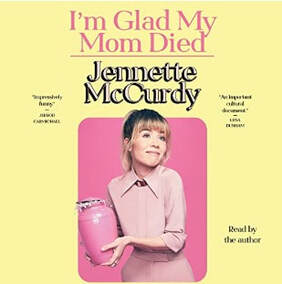
Celebrity memoirs and autobiographies are nothing new. They act as a fruitful branch of a celebrity’s branding arsenal and are a cash cow for publishers. Spanning decades, it’s been a commonly held belief that many, if not all, of these memoirs were written by an unnamed third party, a ghostwriter. These publications would be seen as a piece of PR material created for super fans, full of fluff like a celebrity's go-to salad that they would consume daily on the set of the television program that made them famous. However, there is a shift occurring in the world of celebrity memoirs and those with fame taking control of their own narrative. Some celebrities have raised the bar for what constitutes a great celebrity memoir in an era where social media blurs the distinction between privacy and publicity and shortens the gap between stardom and the unfamous. In a post #FreeBritney culture, the public is aware of how destructive and misleading both the paparazzi and media are towards celebrities, especially those that are women. Fans are tired of being spoon fed fluff. What they now crave is authenticity. |
Archives
July 2024
Categories
All
|

 RSS Feed

|
Glassworks is a publication of Rowan University's Master of Arts in Writing 260 Victoria Street • Glassboro, New Jersey 08028 [email protected] |
All Content on this Site (c) 2024 Glassworks
|